


👋Hey guys, Julien here. The French Dispatch is a reader-supported publication, and both our coverage of current affairs as well as our ability to bring you more news and information on the world around us is entirely funded by paid subscriptions and donations.
If you enjoy reading articles written by high-level experts, then make sure to support the publication by liking, subscribing, and sharing it with your friends and colleagues, and consider taking a paid subscription.

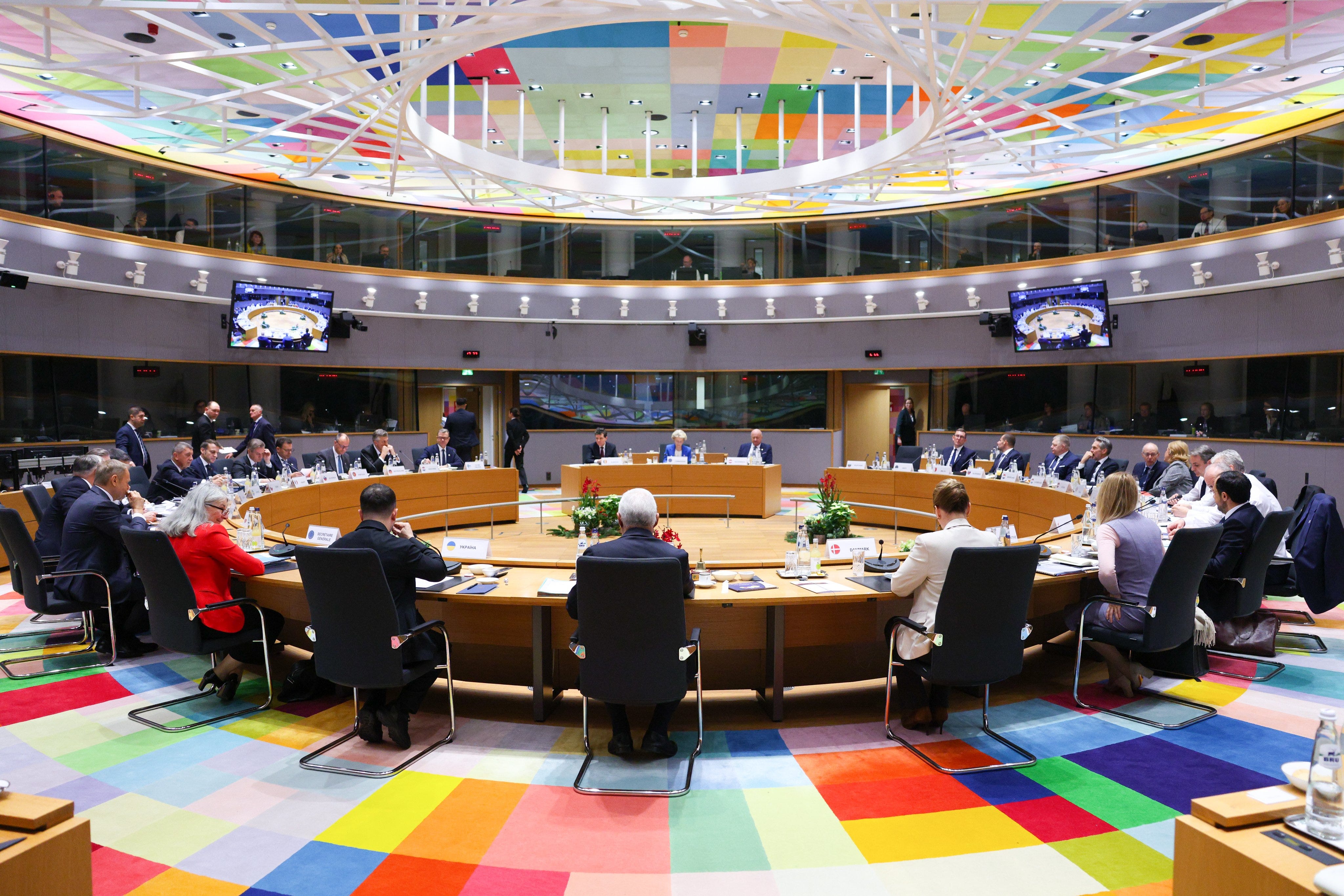
So, the 16-Hour European Council summit has now come to an end, and the debate is raging on about whether Europe has succeeded, failed, whether our Union is collapsing or being strengthened, and whether the journalists should have been made to stay up all night drinking beers and coffees as our leaders debated our future.
At first glance, the December European Council looked reassuringly familiar: Ukraine, enlargement, migration, security, competitiveness. The usual choreography of unity, resolve, and carefully hedged ambition at a time of geopolitical crisis, transatlantic strife, and internal squabbling between member states.
Yet beneath the procedural calm, this Council meeting was highlighted as being a historic event, where Europe would be able to overcome several major geopolitical barriers and start throwing its weight around a little more.
It mattered precisely because it exposed something deeper and more uncomfortable: the EU’s governing reflex when confronted with long-term strategic responsibility under conditions of permanent political fragmentation.
This was not a Council that answered the question of where Europe is going, it was a Council that revealed how Europe moves when it cannot afford to stand still, but cannot quite agree on how to move forward. What emerged was not paralysis, but a distinctly European form of motion: incremental, legally cautious, politically defensive, and increasingly reliant on financial engineering rather than political consolidation.
The agenda was heavy because the moment was heavy, with Ukraine remaining a test not only of European solidarity but also of European endurance. The enlargement question continues to press against institutional limits that leaders are trying hard not to reopen publicly. Migration continues to corrode trust between capitals and play into the ongoing far-right culture war, all while defence and competitiveness hover between aspiration and delivery, seen as a litmus test of our ability to survive history itself.
And all of this unfolds against a backdrop of domestic fragility: elections, fiscal constraints, coalition politics, and a persistent fear of voter fatigue towards “European responsibility” as our former American allies under Donald Trump continue to assault our way of life.
This Council did not fail, and it’s important to underline this; however, it didn’t come out of the meeting smelling of roses either, and several major weaknesses and contributions were laid bare for the world, and particularly our enemies, to see.
So let’s dig into this
